Hiking retreats in Costa Rica: Nature, comfortable stays and time to slow down

A memorable hiking retreat does not need to be an endurance challenge. It can be a morning on a forest trail, time to notice the landscape and a comfortable place to return to afterward.
In Costa Rica, a private nature retreat can balance active days with the meals, rest and shared experiences that make a group vacation enjoyable. This guide explains how to choose the pace, the region and the outings for your group.
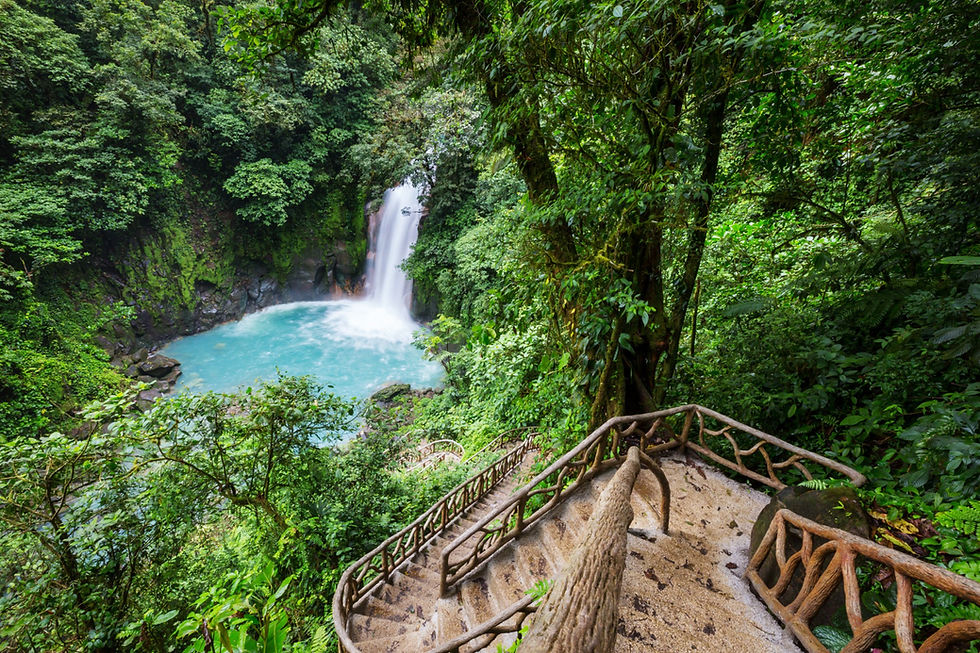
Choose the pace before the trail
Begin with an honest conversation about your group. How long does everyone enjoy walking? Are steep sections appealing, manageable or something to avoid? Does anyone need shorter routes or regular opportunities to rest?
Distance alone does not describe a hike. Ask about elevation, terrain, shade, heat, humidity and the likely walking time with stops. A short, uneven trail may feel more demanding than a longer, flatter walk.
For a mixed group, consider a shared outing that suits everyone and an optional additional activity for guests who want more.
Build around a region rather than a checklist
Costa Rica protects 26% of its land, and the Costa Rica Tourism Board notes that there are hikes suited to both beginners and experienced walkers. Its examples range from a one- to two-hour walk in Manuel Antonio National Park, close to the beach, to about five hours in the cloud forests of the Cerro Dantas Wildlife Refuge in Heredia.
Choose your base by considering the actual walks you want, accommodation availability and transport. Avoid selecting a villa first and assuming distant trailheads will be convenient day trips.
For a short stay, fewer accommodation changes usually leave more time for the experience itself. If you want several regions, allow enough nights to make the transfers worthwhile and review the route before committing.
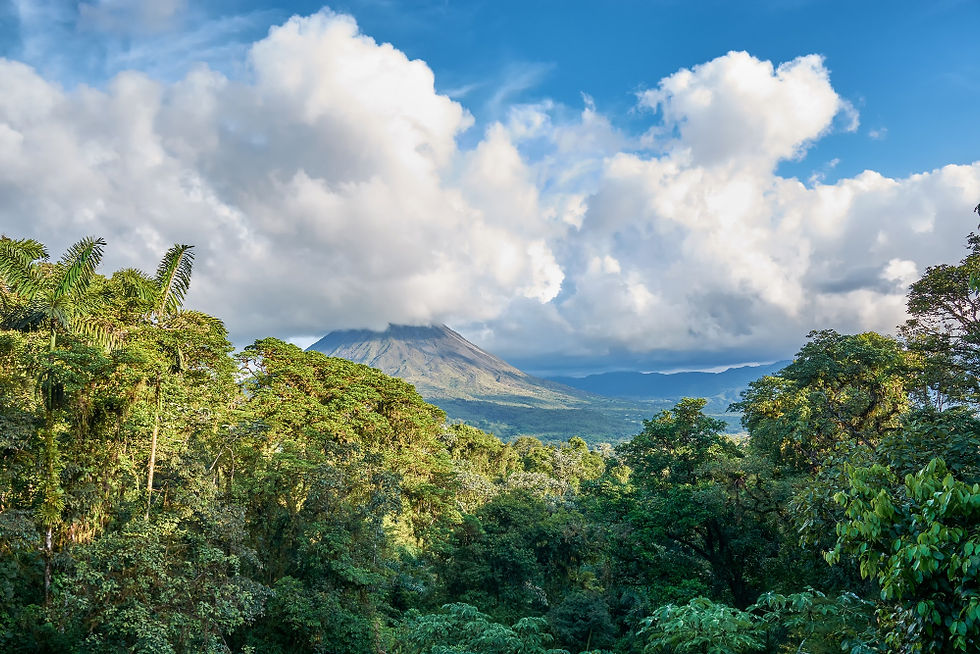
Use local knowledge to shape each outing
A guide can help your group understand the landscape as well as navigate an appropriate route. Discuss whether the priority is walking, wildlife, photography or simply time outside.
The Tourism Board recommends hiking with a guide in places such as Corcovado National Park, where local knowledge helps visitors notice wildlife they might otherwise miss. When hiring a tour company, it advises checking its permits, accident insurance and safety measures.
Before booking, confirm admission arrangements, site access, guide services, transport and what guests should bring. Ask how the itinerary responds to rain or a trail closure, and keep some flexibility rather than assuming the original route can always go ahead.
Wear clothing suited to the climate, bring a change of clothes in case of rain and stay off restricted trails. Any accessibility requirement deserves a direct conversation about the specific route.
A sample six-day nature retreat
Day one: Arrive, settle into your accommodation and enjoy a welcome meal.
Day two: Begin with a guided walk at a moderate pace, followed by a relaxed afternoon.
Day three: Choose a second suitable nature outing, with time to stop for photographs and interpretation.
Day four: Leave the day open for rest, an optional wellness session or a gentle local activity.
Day five: Enjoy a final guided walk or a favorite shared experience, then gather for a farewell dinner.
Day six: Have breakfast and transfer for departure.
This schedule is a planning example. Exact locations, walking difficulty, services and timing should be agreed around the group and current conditions. Browse our sample itineraries for more ideas.
Make recovery part of the retreat
Rest is part of the design. Leave room for an unhurried meal, a comfortable shower and time without a scheduled activity. Guests should be able to skip an optional outing without losing the enjoyment of the trip.
Private dining can be arranged around departure times and the group’s preferences. Ask about breakfast before a walk, packed food when appropriate and dinner after returning. Confirm which meals are included rather than assuming full service.
When selecting accommodation, think about stairs, bedroom arrangements and shared spaces as carefully as the view.

Frequently asked questions
Do I need to be very fit for a hiking retreat in Costa Rica?
No. A private hiking retreat can be built around your group’s pace. The Costa Rica Tourism Board notes there are hikes suited to both beginners and experienced walkers, and routes can be chosen for distance, terrain and rest stops.
How long are hikes in Costa Rica?
It depends on the route. The Tourism Board’s examples range from a one- to two-hour hike in Manuel Antonio National Park to about five hours in the Cerro Dantas Wildlife Refuge.
Do we need a guide for hiking in Costa Rica?
A guide is recommended in many areas. The Tourism Board advises hiking with a guide in places such as Corcovado National Park and checking that tour companies hold the right permits and insurance.
What happens if it rains on a hiking day?
Ask how the itinerary responds to rain or a trail closure before booking. Keep flexibility in the schedule and bring rain protection and a change of clothes.
Plan your hiking and nature retreat
Share your group’s dates, size, walking preferences and approximate budget with Costa Retreats. A personalized proposal can bring accommodation, local nature experiences, dining and transport into one plan, subject to availability.
Ask for a clear breakdown of guide fees, admission, meals, transfers and optional activities, and discuss alternatives for weather-affected outings before confirming.


