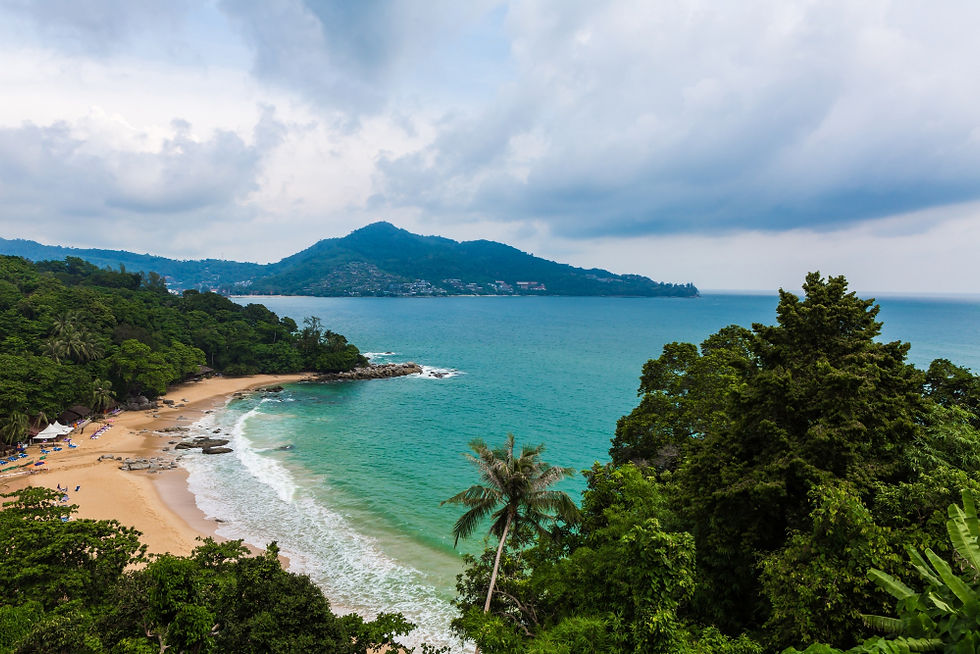
How to plan a retreat in Costa Rica

Updated: 2 days ago
Planning a retreat in Costa Rica can be incredibly rewarding, but it also involves far more than choosing a beautiful villa and booking a few activities.
A well-designed retreat brings together:
The right destination
The right accommodation
Transportation
Food
Wellness
Activities
Group logistics
Local providers
A clear budget
Enough structure to make the trip feel intentional
The best retreats feel effortless to the guests.
That usually means someone behind the scenes has already thought through dozens of details.
This guide explains how to plan a Costa Rica retreat from start to finish.

Step 1: Decide what the retreat is actually for
Before choosing a location, villa, or itinerary, define the purpose of the retreat.
This is the foundation of everything else.
A retreat might be centered around:
Yoga
Wellness
Fitness
Surfing
Leadership
Corporate team building
Executive strategy
Women’s groups
Private groups
Family
Personal development
Adventure
Creative work
Real estate discovery
Relocation
Or simply reconnecting with a group of people in a beautiful setting
The purpose determines almost every decision that follows.
For example, a corporate strategy retreat may need reliable internet, meeting areas, private transportation, and structured work sessions.
A wellness retreat may prioritize yoga space, massage, healthy meals, quiet surroundings, and nature.
A multi-destination retreat may prioritize transportation and logistics more heavily.
Step 2: Choose the right group size
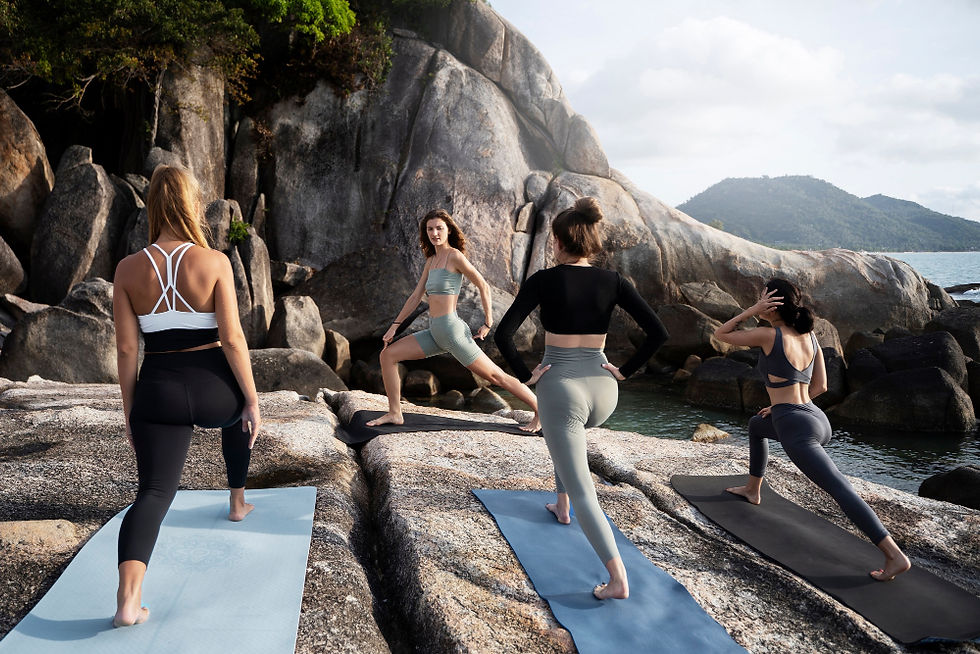
Group size has a major effect on both the experience and the budget.
A retreat for 8 people feels very different from a retreat for 20.
For many private Costa Rica retreats, a group of approximately 10 to 20 guests can work especially well. Why? Because certain fixed costs become more efficient when divided among more people.
For example:
Private chef
Villa
Transportation
Yoga instructor
Boat charter
Retreat staff
A larger group can often afford a more complete experience without dramatically increasing the per-person cost.
Step 3: Set a realistic budget
Before contacting villas or vendors, establish either:
A per-person budget
For example: $2,500 per guest
or:
A total group budget
For example: $40,000 for 14 guests
This makes retreat planning far more efficient.
Without a budget, it is easy to spend time comparing options that are not actually realistic.
For a private Costa Rica retreat, a useful planning range is often around: $2,500 to $4,500 per person for an upscale five-to-seven-day experience.
Luxury retreats can go higher.
More basic shared retreat-center experiences may cost less.
Step 4: Choose the right part of Costa Rica
Costa Rica is small geographically, but the experience can vary dramatically from one region to another.
Tamarindo
Good for:
Luxury villas
Surfing
Restaurants
Nightlife
Catamaran trips
Wellness
Group activities
Private chefs
Tamarindo works especially well for private groups that want both relaxation and entertainment.
Nosara
Good for:
Yoga
Wellness
Surfing
Healthy living
Meditation
Retreat-center culture
Nosara is one of the strongest wellness destinations in Costa Rica.
Santa Teresa
Good for:
Surf
Yoga
Luxury villas
Beach culture
Wellness
Upscale private groups
Arenal
Good for:
Hot springs
Hiking
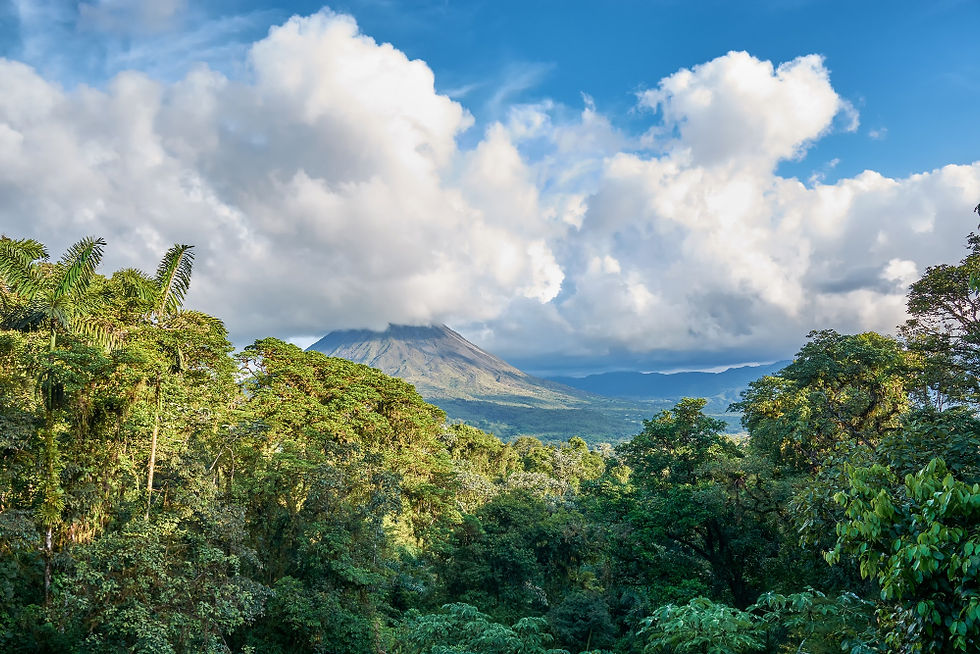
Volcano views
Adventure
Nature
Arenal works especially well as part of a multi-destination retreat.
Osa Peninsula
Good for:
Remote nature
Wildlife
Rainforest
Disconnecting
Deep wellness
Puerto Viejo
Good for:
Caribbean culture
Rainforest
Beaches
Nature
Smaller wellness groups
Manuel Antonio
Good for:
Wildlife
Beaches
National parks
Families
Private groups
Step 5: Decide between a retreat center and a private villa
This is one of the biggest decisions in the planning process.
Retreat center
A retreat center may be best if your group wants:
Dedicated yoga spaces
Communal dining
Scheduled programming
On-site staff
A property already designed specifically for retreats
Private villa
A private villa may be better if your group wants:
Privacy
Customized food
Your own schedule
Private chef
Private transportation
More control over activities
More flexibility
A more personalized atmosphere
At Costa Retreats, our model focuses primarily on custom private retreats, rather than asking every group to fit into one predetermined property or schedule.
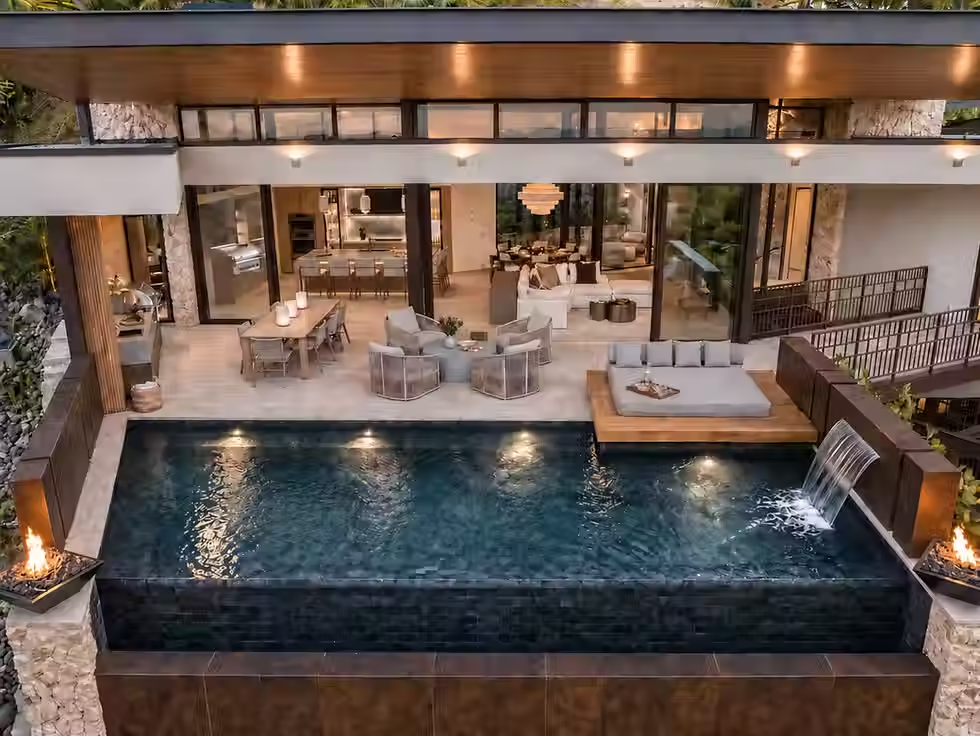
Step 6: Choose the right accommodation
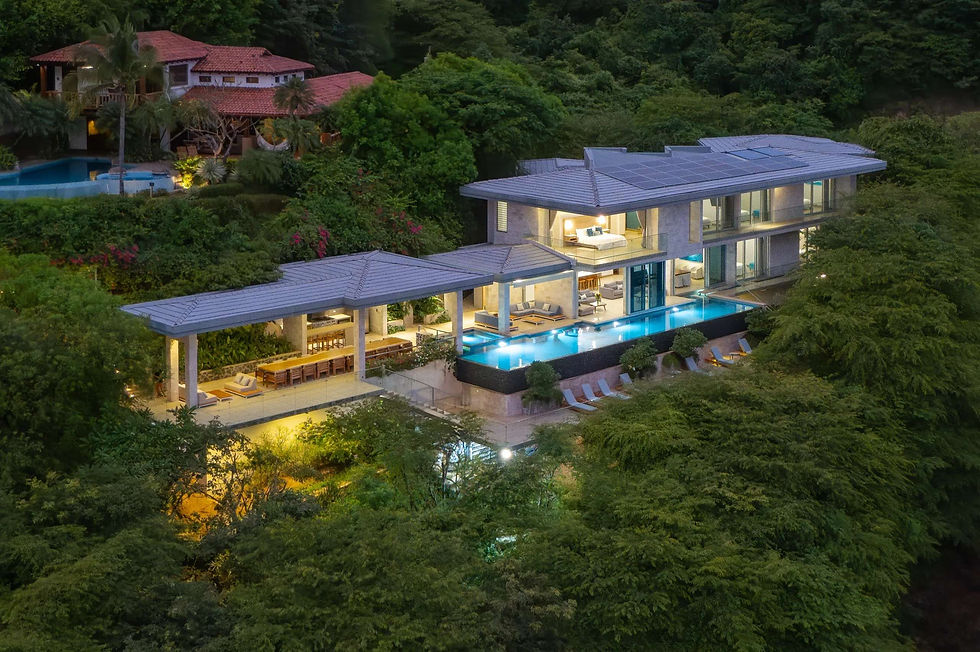
Do not choose a villa based only on photographs.
For retreats, the property needs to function well for the group.
Ask:
How many actual beds are there?
How many guests can sleep comfortably?
Are rooms shared?
How many bathrooms?
Is there enough communal space?
Is there an outdoor gathering area?
Can yoga be done on site?
Is the kitchen appropriate for a private chef?
Is there parking for transportation vehicles?
How far is the villa from activities?
How far is the airport?
Is the road accessible?
Is the internet reliable?
Is there air conditioning?
Is the property private?
A beautiful villa can still be a poor retreat property if the layout does not work for groups.
Step 7: Build the food program early
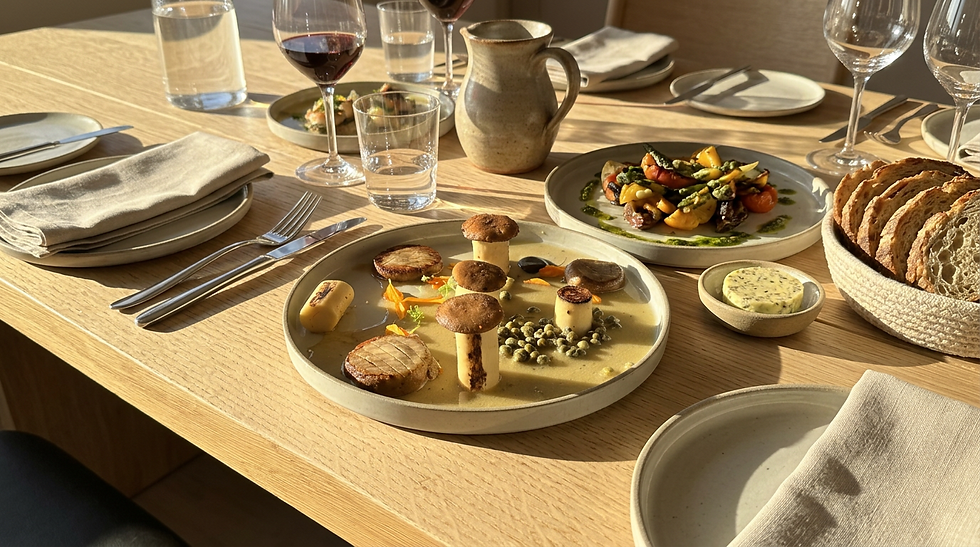
Food should not be an afterthought.
For many groups, dining becomes one of the strongest memories of the retreat.
Decide:
How many meals per day?
Breakfast buffet or plated?
Lunch at the villa or during excursions?
Family-style or plated dinner?
Healthy wellness menu?
Vegetarian options?
Gluten-free requirements?
Allergies?
Alcohol?
Snacks?
Coffee?
Juices?
Special celebration dinner?
If food is important to the retreat, having a dedicated chef or culinary team can make the experience significantly more cohesive.
Costa Retreats benefits from hospitality and private-chef experience through its connection with Flora & Fauna Foods→.
Step 8: Plan transportation before the retreat
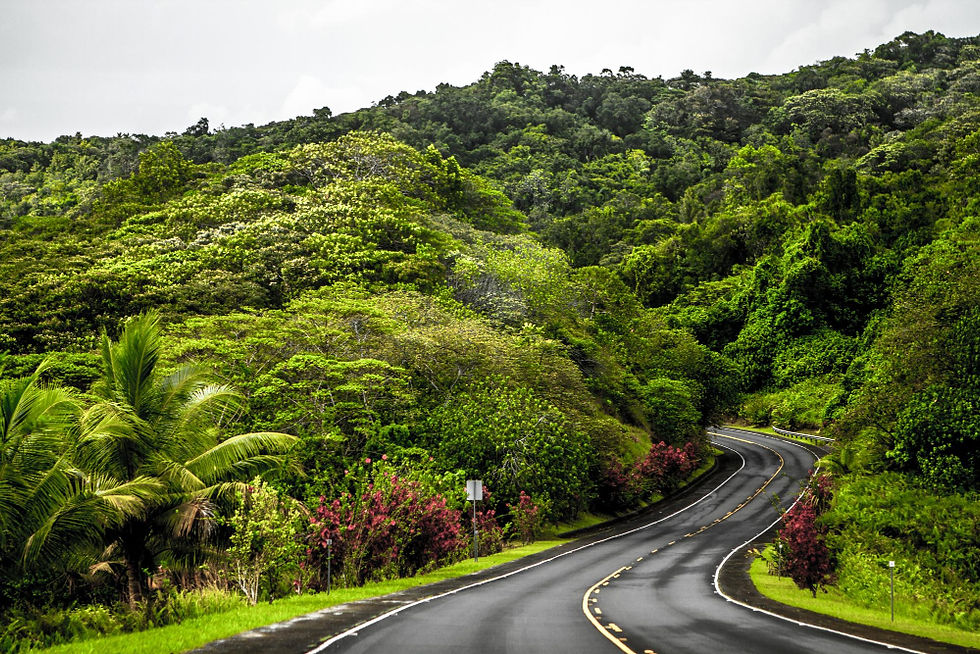
Transportation is one of the easiest parts of a Costa Rica retreat to underestimate.
You may need:
Airport transfers
Private vans
Drivers
Transportation to activities
Restaurant transfers
Boat transfers
Domestic flights
Inter-destination transportation
If 15 people are traveling together, relying on taxis at the last minute is not a strong plan.
Transportation should be built into the itinerary from the beginning.
For multi-destination retreats, this becomes even more important.
For example: Arenal → Tamarindo → Liberia Airport can create a fantastic retreat, but only if transportation is coordinated properly.
Planning a retreat in Costa Rica?
Tell us your group size, dates and approximate budget, and we’ll help you figure out the rest.
Step 9: Add wellness intentionally
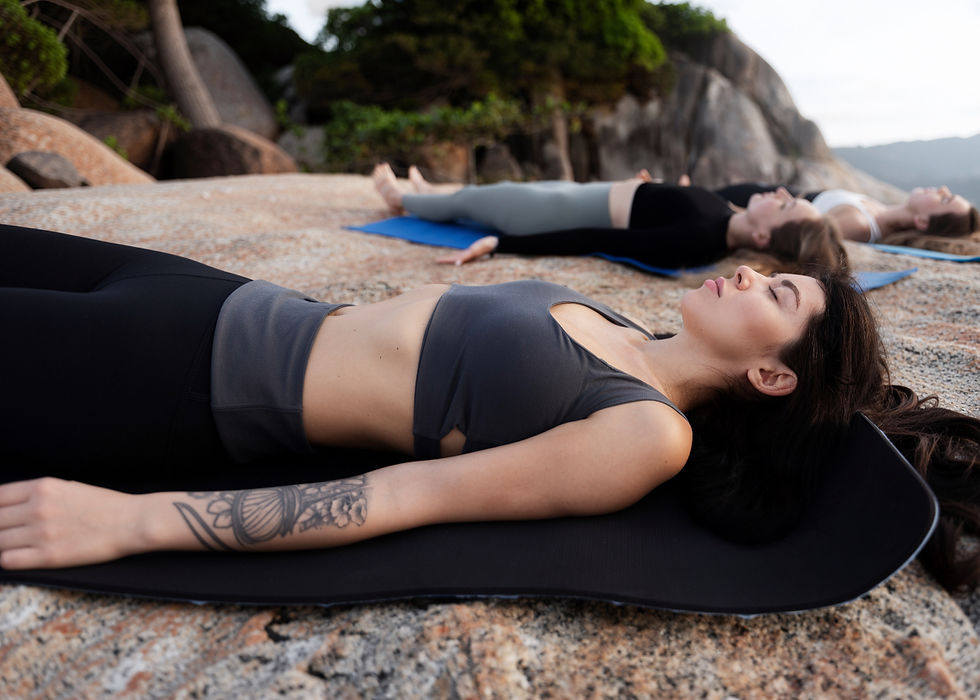
A retreat does not need to have six wellness activities per day.
In fact, too much programming can make guests feel exhausted.
Good wellness experiences might include:
Morning yoga
Meditation
Massage
Mobility
Fitness
Breathwork
Spa treatments
Sound experiences
Cold plunge
Nature walks
Nutrition sessions
The key is to match the programming to the purpose of the retreat.
A corporate group may only need one morning yoga session and a massage afternoon.
A wellness retreat may include daily classes and multiple practitioners.
Step 10: Choose activities that fit the group
Costa Rica offers a huge number of experiences.
Possible options include:
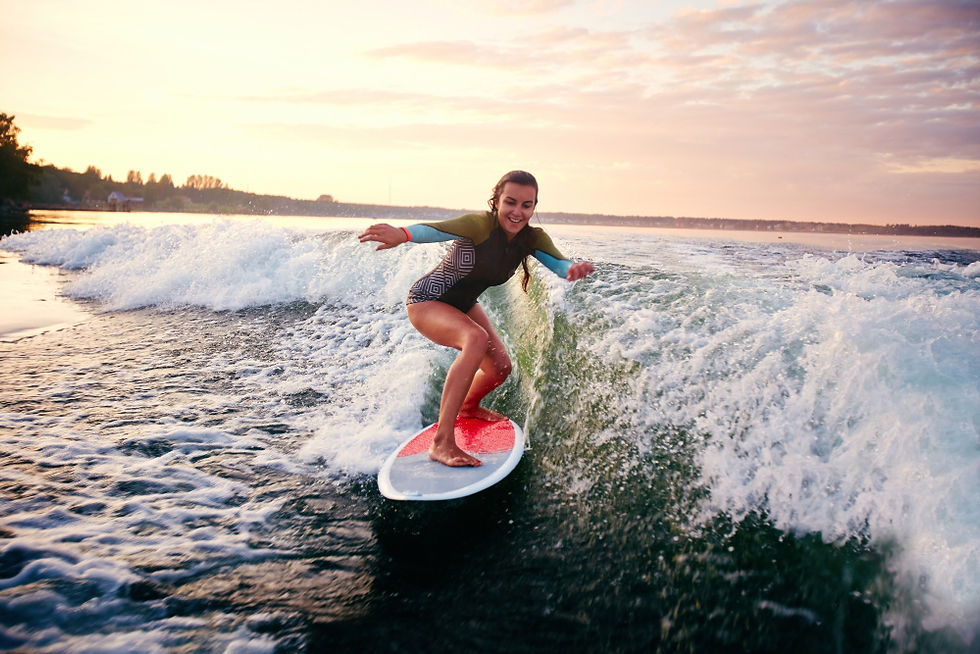
Surf lessons
Catamaran cruises
Waterfalls
Ziplining
ATVs
Horseback riding
Fishing
Snorkeling
Hot springs
National parks
Wildlife tours
Hiking
Coffee tours
Cooking experiences
Beach clubs
Spa days
Private boat trips
Do not add activities just because they sound exciting.
Ask:
Does this fit the group?
Does everyone need to participate?
How long is the transportation?
Is it worth losing half a day?
Will the guests be tired afterward?
Some of the best retreat days have only one scheduled activity.
Step 11: Leave free time
This is one of the most overlooked parts of retreat planning.
Every hour does not need to be scheduled.
Guests often value:
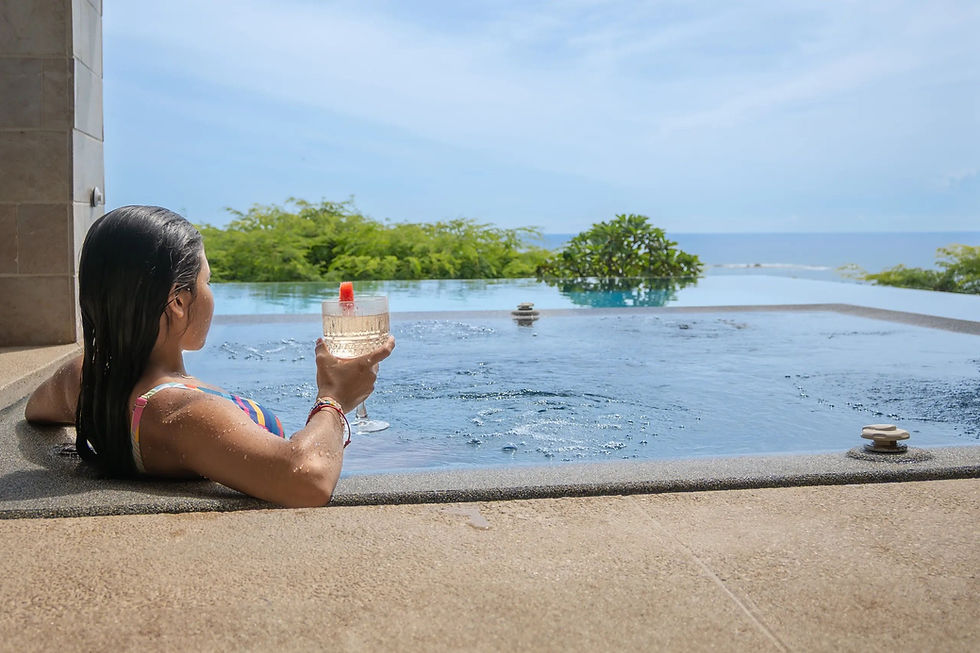
Time by the pool
Walking on the beach
Napping
Reading
Talking
Exploring
Getting a massage
Having a drink
Doing absolutely nothing
If the itinerary is too full, the trip can start to feel like a conference.
A retreat should have space.
Step 12: Create a daily rhythm
A good retreat itinerary often has a natural rhythm.
For example:
Morning
Yoga
Breakfast
Main activity or work session
Afternoon
Lunch
Free time or wellness
Evening
Sunset
Dinner
Relaxation or social time
Not every day needs to follow the same structure, but consistency helps guests settle into the experience.
Sample 5-Day Costa Rica retreat itinerary
Day 1 — Arrival
Airport pickup
Villa check-in
Welcome drinks
Private chef dinner
Relaxed evening
Day 2 — Wellness + Beach
Morning yoga
Breakfast
Surf lesson or beach
Lunch
Free afternoon
Massage
Dinner
Day 3 — Adventure
Breakfast
Waterfall or nature excursion
Lunch
Return to villa
Free time
Private dinner
Day 4 — Ocean Day
Morning wellness
Breakfast
Private catamaran
Lunch
Return to villa
Closing dinner
Day 5 — Departure
Breakfast
Final wellness session
Airport transfers
Step 13: Plan for dietary requirements
Before the retreat begins, collect dietary information from every guest.
Ask about:
Allergies
Gluten-free
Vegetarian
Vegan
Religious dietary requirements
Food sensitivities
Strong dislikes
Do not wait until the chef arrives to discover that several guests have serious restrictions.
For more complex dietary needs, speak directly with the chef or retreat planner beforehand.
Step 14: Think about weather and season
Costa Rica has clear seasonal differences. The Pacific side generally experiences a dry season and a wetter green season. However, weather patterns differ by region. A retreat in Guanacaste may have very different conditions from a retreat on the Caribbean coast.
Before booking, consider:
Rain
Heat
Humidity
Road conditions
Ocean conditions
Peak tourism periods
Holiday pricing
Activity availability
The cheapest date is not necessarily the best date.
Step 15: Build a backup plan
Even a well-planned retreat can face changes:
Weather changes
Flights are delayed
Activities get canceled
People get sick
Road conditions change
A good retreat should have flexibility built into the schedule.
For example, if an outdoor waterfall trip is canceled, the group may shift to:
Massage
Cooking experience
Wellness workshop
Private lunch
Indoor group session
Free afternoon
The goal is not to eliminate every possible problem, it is to make sure one change does not ruin the entire itinerary.
Step 16: Decide who is managing the retreat
Someone needs to be responsible for the details.
That might be:
The retreat leader
The host
The company organizer
A travel planner
A local retreat company
For smaller, simple trips, self-planning may work well.
For more complex retreats, the number of moving pieces can become substantial.
That may include:
Villa
Chef
Food
Transportation
Yoga
Massage
Activities
Restaurants
Payments
Guest communication
Arrival times
Changes
Emergency support
A retreat planner’s role is to bring those separate pieces into one coordinated experience.
Step 17: Consider specialized retreats
Costa Rica retreats do not have to be limited to yoga or wellness.
Groups can build experiences around:
Corporate leadership
Executive strategy
Surfing
Fitness
Adventure
Women’s groups
Family
Creative work
Real estate discovery
Relocation
Business networking
Education
Other specialized interests
At Costa Retreats, our core team specializes in wellness, while our broader network of local professionals and specialist providers allows us to coordinate other retreat styles depending on the goals of the group.
Planning a multi-destination Costa Rica retreat
One of the most interesting options is combining multiple parts of the country.
For example: Arenal + Tamarindo
Start with:
Hot springs
Volcano views
Waterfalls
Adventure
Then travel to Tamarindo for:
Beach
Surfing
Yoga
Private chef dinners
Catamaran
Relaxation
Then depart through Liberia.
This allows the retreat to feel like two different experiences within one trip.
Planning a corporate retreat in Costa Rica
Corporate retreats require a slightly different approach.
You may need:
Meeting space
Reliable Wi-Fi
Presentation equipment
Work sessions
Private transportation
Leadership programming
Team-building activities
Private dining
Executive-level accommodations
A corporate retreat should balance productive time with enough relaxation and activities to make the trip worth leaving the office for.
Planning a yoga retreat in Costa Rica
Yoga retreat leaders should think carefully about:
Yoga space
Class schedule
Teacher accommodations
Participant pricing
Food
Transfers
Excursions
Free host spaces
Profit margin
Payment schedules
Cancellation policies
Marketing
Group size
The retreat needs to work both as an experience and as a business.
Planning a relocation or real estate discovery retreat
A relocation-focused retreat can combine a vacation experience with a structured introduction to Costa Rica.
For example:
Visits to different communities
Property tours
Meetings with real estate professionals
Introductions to attorneys
Residency-information sessions
Local lifestyle experiences
Dining
Transportation
Time to explore neighborhoods
These experiences should be educational and logistical in nature.
Guests should still receive independent legal, financial, immigration, and property advice from appropriately qualified professionals.

How far in advance should you plan a Costa Rica retreat?
For most groups, planning six to twelve months ahead is a strong starting point.
You may want even more lead time for:
Holiday dates
Large villas
Peak season
Groups above 20 people
Destination weddings
Large corporate events
Highly specialized experiences
Smaller retreats during less competitive dates may be possible with much shorter notice.
The earlier you plan, the more choices you usually have.
What information should you have before requesting a retreat proposal?
You do not need every detail finalized.
But having these basics makes the process much faster:
Group size
Approximate dates
Preferred destination
Number of nights
Retreat purpose
Approximate total or per-person budget
Accommodation level
Important activities
Dietary requirements
Anything the group absolutely does not want
From there, the retreat can begin taking shape.
The biggest mistakes when planning a Costa Rica retreat
Avoid these common problems:
Booking the villa before understanding the itinerary - the cheapest villa may be an hour away from everything you want to do
Scheduling too much - guests need downtime
Ignoring transportation costs - moving a group is different from moving two travelers
Underestimating food - three meals daily for 15 guests requires serious planning
Waiting too long to collect dietary restrictions - do this early
Comparing properties only by price - location, layout, privacy, kitchen facilities, and common areas matter
Trying to coordinate too many independent vendors - every additional provider creates another point of communication
Not having a local contact - problems are easier to solve when someone on the ground understands the area
How Costa Retreats plans a retreat
Our process begins with the group, not a fixed package.
We ask:
Who is coming?
Why are you coming?
Where would you like to stay?
What should the retreat feel like?
What is your budget?
Then we begin matching the experience with the right:
Accommodation
Team
Chef
Wellness professionals
Transportation
Activities
Destinations
Local specialists
Our core team focuses heavily on wellness-focused private retreats, while our wider network allows us to coordinate additional retreat styles and specialized experiences throughout Costa Rica.
Frequently asked questions
How far in advance should you plan a Costa Rica retreat?
For most groups, planning six to twelve months ahead is a strong starting point. Allow more time for holiday dates, large villas, peak season, and groups above 20 people.
What is the best group size for a private retreat in Costa Rica?
For many private Costa Rica retreats, a group of approximately 10 to 20 guests works especially well, because fixed costs such as the villa, chef, and transportation are divided among more people.
How much should I budget for a Costa Rica retreat?
A useful planning range for an upscale five-to-seven-day private retreat is often around $2,500 to $4,500 per person. Luxury retreats can go higher, and shared retreat-center experiences may cost less.
What information do I need before requesting a retreat proposal?
Having the group size, approximate dates, preferred destination, number of nights, retreat purpose, and budget makes the process much faster. You do not need every detail finalized.
Start planning your Costa Rica retreat
You do not need to have the entire trip figured out before asking for help.
Start with five things:
Group size
Dates
Budget
Retreat type
Preferred destination
From there, Costa Retreats can begin building the rest.
Tell us what you’re imagining, we’ll help you turn it into a complete Costa Rica retreat.